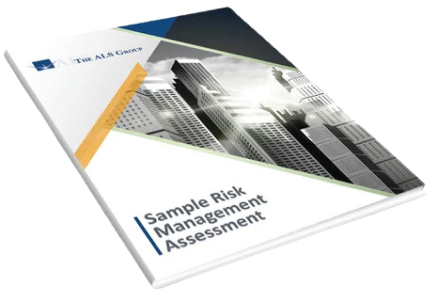

What is a Risk Management Assessment?
The Risk Management Assessment (RMA) provides a comprehensive
evaluation of an organization’s risk profile, insurance program, contractual
risk transfer strategy, and operational controls.
Why Organizations Need an RMA
Many organizations focus on purchasing insurance but never evaluate whether their insurance program, contractual protections, and operational controls are aligned with business objectives.
An RMA helps identify:
- Coverage gaps and policy deficiencies
- Contractual risk transfer weakness
- Hidden uninsured exposures
- Inefficient insurance spending
- Opportunities to improve resilience
- Emerging enterprise risk
- Operational vulnerabilities
Client Success Stories
What Will an Organization Get With A Risk Management Assessment?
Enterprise risk scorecard
Executive summary of key enterprise risks.
broker performance review
evaluation of broker strategy, placement, and service.
Insurance Program Evaluation
assessment of coverage adequacy and program structure.
risk transfer & contract review
analysis of contractual protections and liabilities
coverage gap analysis
identification of uninsured and underinsured exposures.
prioritized mitigation roadmap
actionable recommendations ranked by impact
Upon completion of the RMA, the client will receive a written final report that includes
- Uninsured exposure identification
- Coverage alignment
- Broker accountability review
- Financial impact analysis
- Risk mitigation strategy
What We Frequently Discover During an RMA
Organizations are often surprised by the risks and opportunities uncovered during a Risk Management Assessment. While every engagement is unique, common findings include:
Coverage Gaps
Insurance policies may not adequately address key operational, contractual, or emerging exposures.
Contractual Risk Transfer Deficiencies
Contracts often contain indemnification, insurance, or hold harmless provisions that fail to properly transfer risk.
Insurance Program Inefficiencies
Coverage overlaps, unnecessary policies, or inadequate limits can lead to increased costs and reduced protection.
Operational Risk Exposures
Processes, procedures, and internal controls may expose the organization to preventable losses.
Enterprise Risk Blind Spots
Strategic, financial, compliance, and operational risks are frequently managed in silos, limiting visibility across the organization.
Risk Financing Opportunities
Organizations may be able to reduce total cost of risk through program restructuring, retention analysis, and alternative risk financing strategies.