
Cyber Risk
With data breaches occurring as often as they do, companies across the globe must face the reality that cyber risk cannot be ignored. Often, costs to respond to or manage a data breach can cripple or destroy a company. Impacts such as reputational harm, business interruption, extortion, legal exposure, and loss of critical data must be addressed proactively and by many departments within an organization.
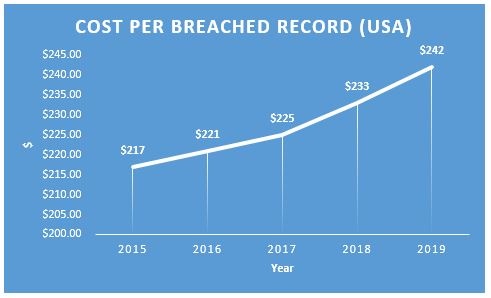
The responsibility for proper cyber risk mitigation falls on more than the IT department. Organizations that involve their board, C-suite, risk management department, IT department, and others not only greatly reduce their chances of a breach, but also decrease the effective cost of a breach.
Having a breach response/business continuity plan also reduces the impact of a cyber event and helps ensure your company can rebound, restore operations, and protect the company’s assets and reputation.
How The ALS Group can help
- We work closely with organizations to help them understand where they are susceptible to data breach exposures
- We advise senior leadership and engage the proper IT experts to qualify and quantify cyber risk
- We shepherd the process to secure insurance, brokers, and products to mitigate cyber risk
Frequently Asked Questions
What is cyber risk management?
Cyber risk management is the process of finding where your business is exposed to data breaches, system outages and other cyber events, then reducing those exposures and planning for the ones that remain. It covers people, processes and technology, not just IT. Insurance is one piece, alongside controls and a response plan.
Who is responsible for cyber risk in a company?
Cyber risk belongs to more than the IT department. Organizations that involve the board, the C-suite, risk management and IT together are less likely to suffer a breach and recover faster when one happens. Leadership sets the priorities and IT carries them out.
What does cyber insurance typically cover?
Cyber policies commonly cover costs such as breach response, data restoration, business interruption and liability to third parties. What a specific policy covers depends heavily on its wording, exclusions and the security controls the insurer expects you to have in place. That is why the policy needs to be read against how your business actually operates.
Why do cyber insurance claims get denied?
Claims can be denied when the business did not maintain the security controls it described on the application, or when the loss falls under an exclusion. Outages caused by a vendor, rather than an attack on your own systems, are a common gap. Reviewing the policy before a claim is the best way to avoid that kind of surprise.
How does ALS help with cyber risk?
We help leadership understand where the business is susceptible to cyber losses, bring in the right IT experts to qualify and quantify the risk, and guide the process of securing the right insurance. We read the policy against your real controls, so the coverage responds when you need it.